-
 How to Prevent Diesel Transfer Tanks from Freezing in WinterNov 20, 25Place the tank in a sheltered, dry area away from extreme cold to prevent prolonged exposure to ice and snow...
 -
Troubleshooting Diesel Transfer Tank FaultsNov 20, 25Check all connections including hoses, fittings, and seals for signs of diesel seepage. Inspect the tank body for cracks, corrosion spots, or damage caused by impact...
-
How to deal with rust on a diesel transfer tankNov 20, 25First, move the tank to a well-ventilated and dry operating area, away from fire sources and flammable and explosive materials...
-
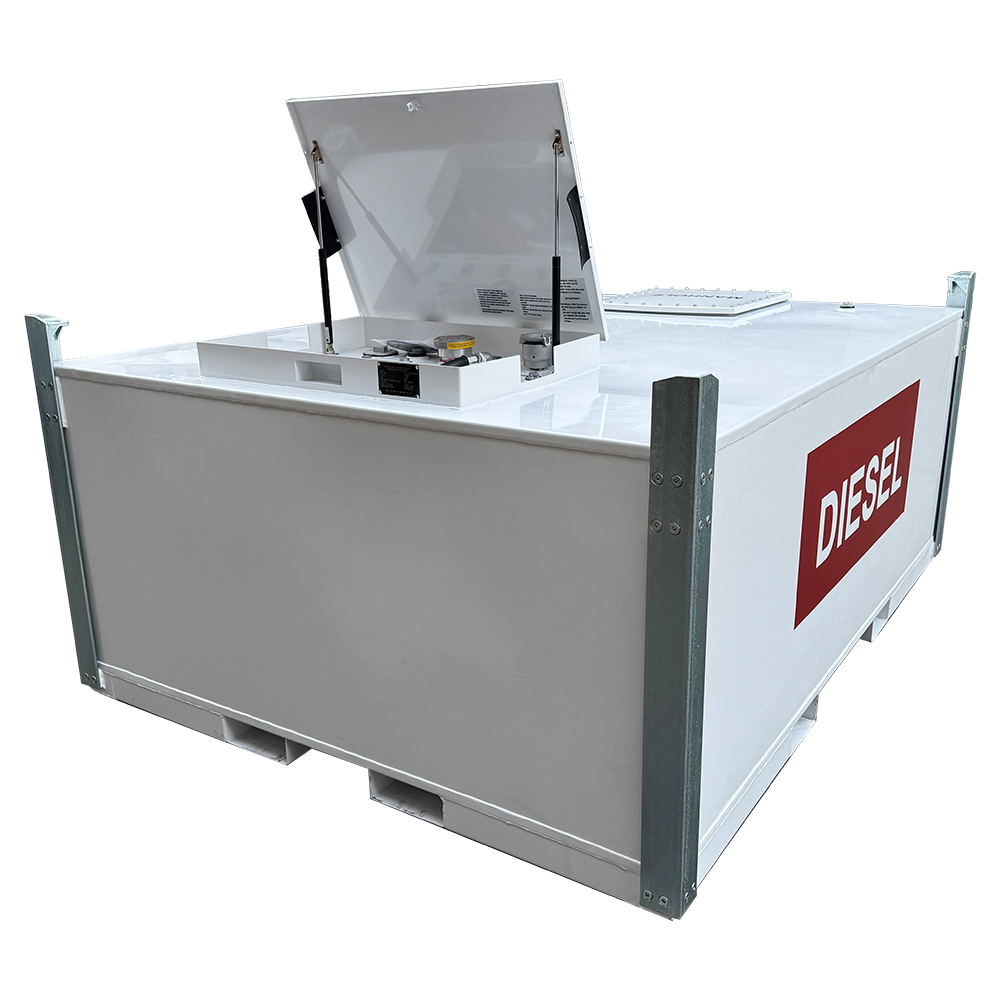
How to Operate a Diesel Transfer Tank SafelyNov 20, 25Before operation, thoroughly inspect the tank's condition, checking for any damage, deformation, or other abnormalities...
-
How to Judge the Quality of a Diesel Transfer TankNov 20, 25Observe whether the overall tank structure is regular, without obvious deformation, dents, or bulges, and whether the tank wall and end caps are naturally connected...
-
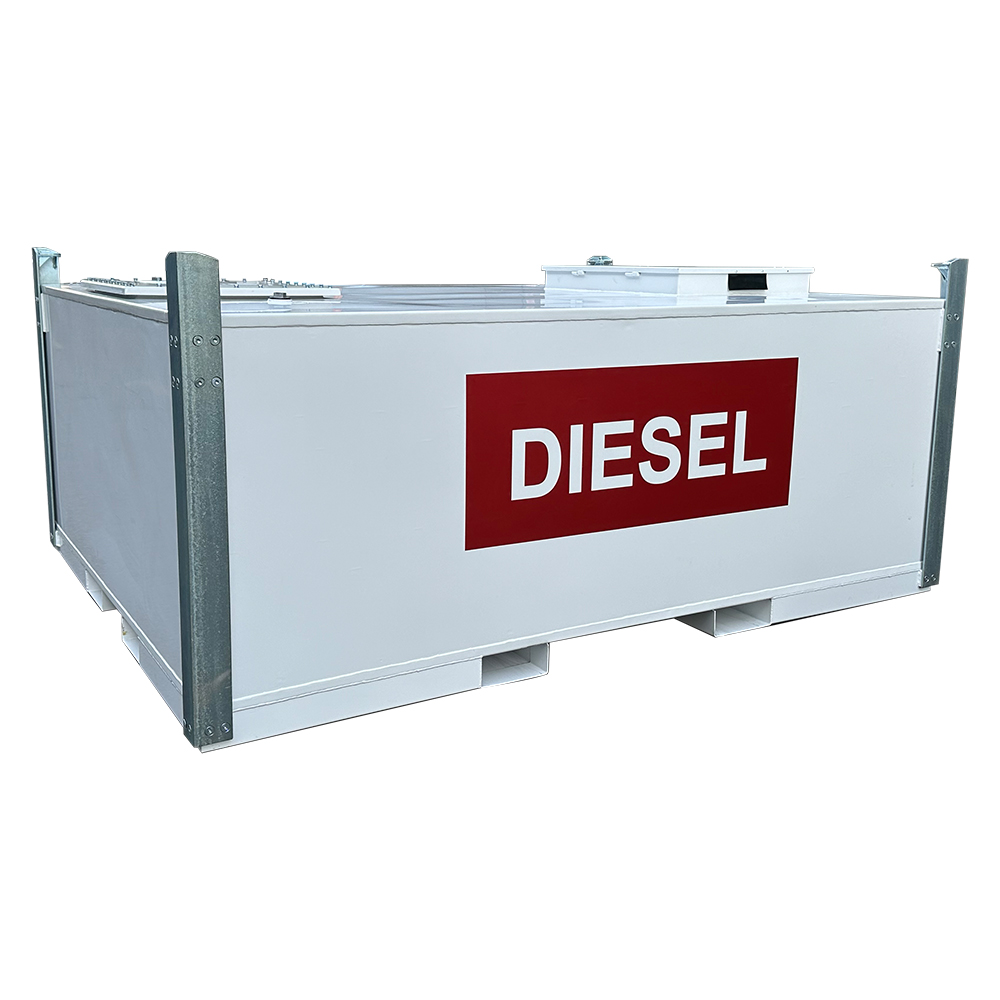
What are the main uses of a diesel transfer tankNov 19, 25As the core carrier for diesel transportation, it primarily undertakes diesel transfer tasks between different sites...
-
How to Seal Waste Oil Tank ConnectionsNov 19, 25Select sealing materials according to the type of connection and the characteristics of the waste oil...
-
How to Avoid Odors in Waste Oil TanksNov 19, 25Ensure the tank's sealing structure is intact. Regularly inspect key components such as seals, valves, and flange interfaces, and promptly replace aged or damaged sealing materials to prevent odor leakage from waste oil volatile gases...
-
How to Dispose of Waste Oil TanksNov 19, 25Before disposal, it is necessary to confirm the compliant disposal qualifications of the waste oil tank...
-
What are the materials used in waste oil tanksNov 19, 25Carbon steel is the most commonly used basic material for waste oil tanks. It has good structural strength and pressure resistance, is relatively economical, and has mature processing technology...